
Mobile document scanning has evolved from a niche convenience to a core part of digital productivity. With powerful smartphones, AI-driven tools, and cloud-enabled workflows, the scanning landscape is entering a transformative era. As we look ahead to 2030, new technologies promise to redefine how we capture, manage, and interact with documents.
This article explores the innovations, trends, and predictions shaping the future of mobile document scanning—and how they’ll impact individuals and businesses alike.
1. Why Mobile Document Scanning Is Becoming Essential
1.1 The Growing Demand for On-the-Go Digitization
In an increasingly paperless society, the ability to scan, organize, and share documents from a smartphone is no longer optional—it’s expected. Mobile scanning saves time, reduces reliance on physical files, and allows instant access to information from anywhere.
1.2 Smartphones as Productivity Hubs
With each hardware and software upgrade, smartphones are becoming powerful digitization devices. This shift lays the foundation for the next generation of mobile scanning capabilities.
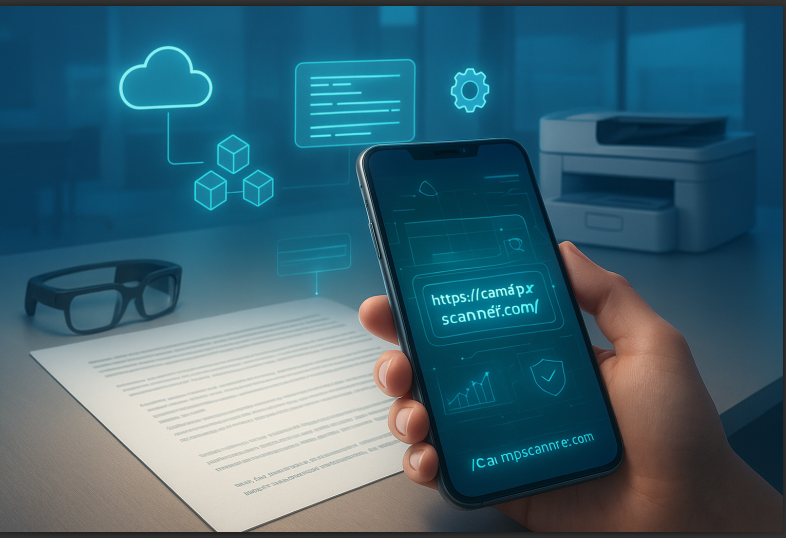
2. How Mobile Document Scanning Evolved
2.1 From Flatbed Scanners to Portable Solutions
Document digitization started with large, stationary flatbed scanners. While effective, they were slow, inconvenient, and confined to office environments.
2.2 The Rise of Mobile Scanning Apps
The introduction of scanning apps revolutionized the industry. Tools like mobile scanners enabled users to capture documents instantly, apply filters, crop edges, and share files in seconds—ushering in the first wave of the digital paperless movement.
3. Core Technologies Driving the Future of Scanning
3.1 AI-Powered OCR Takes Center Stage
Artificial Intelligence is making Optical Character Recognition (OCR) far more advanced. By 2030:
- Handwriting recognition will be nearly flawless
- Multi-language reading will be instantaneous
- Contextual understanding will allow automatic summaries and error detection
This means mobile scanners will do more than “read”—they will interpret documents.
3.2 Augmented Reality for Smarter Interactions
AR will allow users to overlay digital insights on physical documents. Imagine pointing your phone at a contract and seeing:
- Key terms highlighted
- Suggested edits
- Instant summary notes
This is the next big leap in intelligent scanning.
3.3 Cloud Connectivity for Real-Time Collaboration
Cloud integration is evolving toward seamless teamwork. By 2030, multiple users will be able to annotate, sign, approve, and process scanned files simultaneously—perfect for remote teams and hybrid offices.
4. Major Predictions for Mobile Scanning in 2030
4.1 Fully Automated Document Recognition
Future scanning apps will automatically:
- Identify the document type
- Extract key fields
- Organize files into proper folders
- Tag documents for compliance
Users may never need to rename or sort a scan manually again.
4.2 Blockchain for Secure, Tamper-Proof Documents
Security will become a critical focus. Blockchain-based verification will ensure that scanned documents are:
- Authentic
- Unaltered
- Legally trustworthy
This will be especially vital for healthcare, finance, and legal industries.
4.3 A Boost in Sustainability with Paperless Workflows
As organizations push toward eco-friendly operations, digital scanning will help eliminate unnecessary printing. Automated digital signatures, approvals, and cloud workflows will significantly cut paper waste.
4.4 Smart IoT Integration Across Devices
By 2030, mobile scanners will work seamlessly with IoT devices such as:
- Smart printers
- Office assistants
- AR glasses
- Smart filing systems
Every step in document management will become interconnected.
5. How These Innovations Will Transform Work and Daily Life
5.1 Corporate Workflows Become Faster and Leaner
Businesses will automate document-heavy tasks such as approvals, invoicing, and record-keeping. The result:
- Fewer administrative delays
- Lower error rates
- Minimized physical storage
The future office will be truly digital-first.
5.2 Empowering Remote Workers and Students
Mobile scanning will play a major role in:
- Submitting assignments
- Sharing project files
- Collaborating virtually
- Managing workflows across time zones
The convergence of cloud tools and advanced scanning will strengthen remote productivity.
5.3 Smarter Personal Organization
Individuals will use mobile scanning to organize:
- Bills
- Receipts
- IDs
- Personal records
AI assistants will automatically categorize, remind, and retrieve files when needed.
6. Challenges the Industry Must Address
6.1 Privacy and Data Protection Risks
With more sensitive data scanned and stored digitally, strong cybersecurity measures will be essential. Encryption, secure cloud storage, and user-controlled permissions will remain critical.
6.2 Ensuring Accessibility and Inclusive Design
As features become more advanced, developers must ensure mobile scanners remain easy to use for:
- Elderly individuals
- People with disabilities
- Users with limited tech literacy
Inclusive interfaces will determine widespread adoption.
7. Conclusion: A New Era of Intelligent Scanning
By 2030, mobile document scanning will be smarter, faster, and deeply integrated into everyday digital workflows. AI, AR, blockchain security, and cloud collaboration will redefine how we capture and manage documents—pushing us closer to a truly paperless future.
This shift won’t just boost productivity; it will transform how we interact with information altogether.
8. Frequently Asked Questions (FAQs)
Q1: Will mobile scanners replace traditional scanners by 2030?
Mobile scanning will dominate everyday tasks, but specialized industries may still use traditional equipment for high-resolution or bulk scanning needs.
Q2: How will AI improve scanning accuracy?
AI will analyze context, understand languages, detect errors, and extract data with near-perfect accuracy.
Q3: Are cloud-based scans secure?
Yes, when stored with strong encryption and supported by emerging blockchain verification methods.
Q4: Can mobile apps handle sensitive documents safely?
Future scanning apps will implement advanced encryption, access controls, and compliance-level protections.
Q5: How does mobile scanning help the environment?
By reducing paper usage, supporting digital signatures, and enabling automated digital workflows, mobile scanning significantly cuts environmental waste.